

 Facebook
 X
X
 Pinterest
 Copy Link
Buying a Mountain Home in WNC? 10 Things You May Notice More Easily in the Fall.
Fall is one of the most beautiful times to explore Waynesville, Maggie Valley, and Haywood County. The mountains are changing color, temperatures are cooling down, and a scenic drive can make just about anyone start imagining what it would be like to call Western North Carolina home.
But if you’re seriously considering buying a mountain property, fall offers something else too:
It can help you see a property differently.
As leaves begin to fall and the landscape changes, certain characteristics of a home, lot, road, and surrounding property may become easier to notice.
That doesn’t replace professional inspections or proper due diligence. But knowing what to look for while touring homes can help you ask better questions before making an offer.
Here are 10 things buyers should pay attention to when looking at mountain homes in Western North Carolina during the fall.
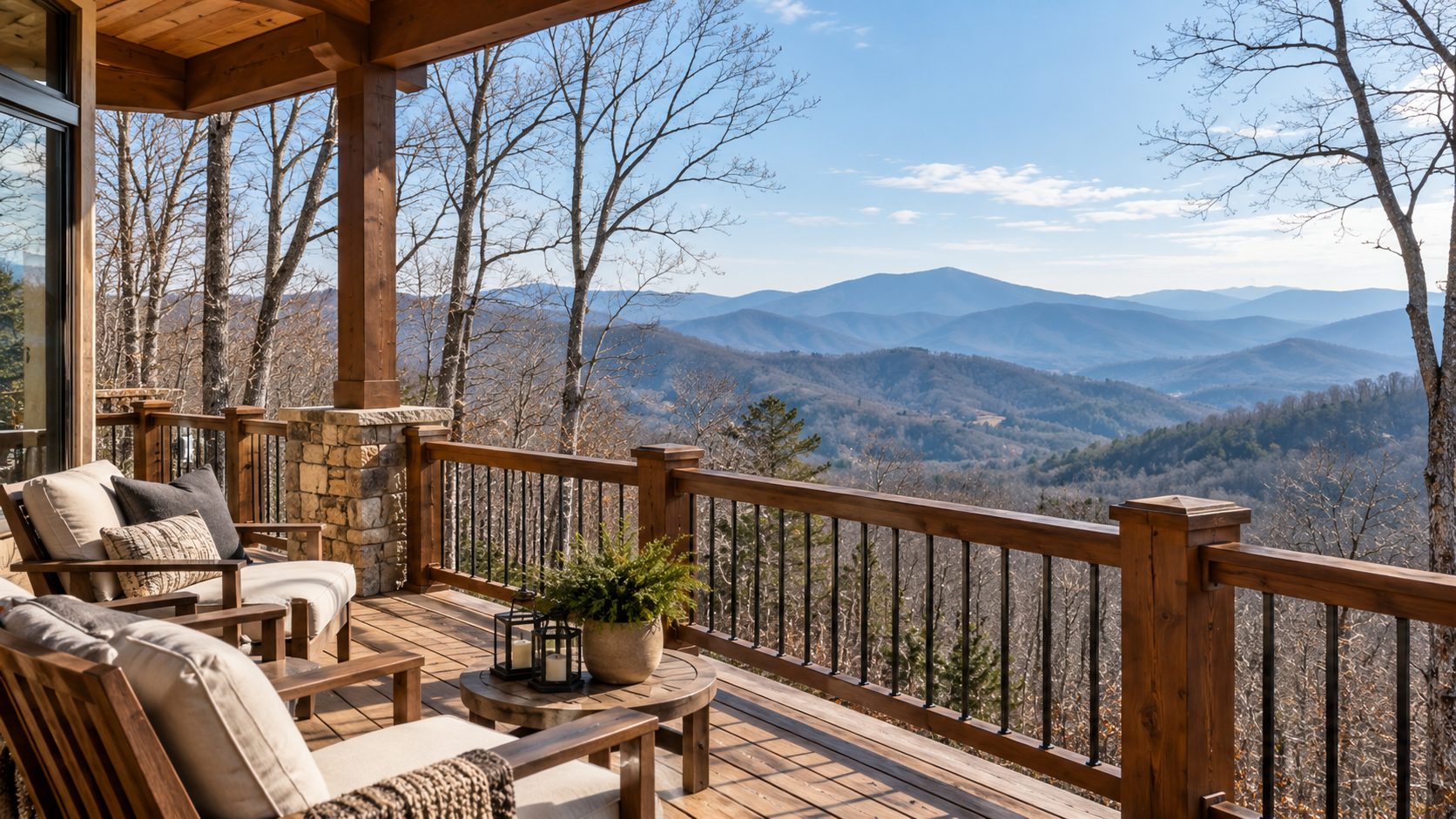
1. The View May Change Dramatically When the Leaves Fall
That beautiful wooded setting you see in September may look very different by December.
Sometimes that’s a good thing.
A home that appears to have only a partial mountain view during summer and early fall may reveal a surprisingly expansive winter view once deciduous trees lose their leaves.
The opposite can also happen. Trees may provide privacy during spring and summer that disappears in winter.
When you’re touring a property, ask yourself:
- Which trees are deciduous?
- Will neighboring homes become more visible?
- Could the mountain view improve after leaf drop?
- Is privacy seasonal?
If the view is an important part of why you’re buying a mountain home, it is worth considering what you’ll see during all four seasons.
2. Sun Exposure Becomes Easier to Understand
Sunlight matters more than many relocating buyers initially realize.
Western North Carolina’s mountains, valleys, ridges, and tree cover can create significant differences in how much direct sunlight a property receives.
As the leaves thin out in fall, you may get a better idea of:
- Morning versus afternoon sun
- How shaded the house is
- Whether decks and porches receive sunlight
- Which side of the home stays cooler
- How neighboring ridges affect sunlight
Remember that the sun’s position also changes seasonally, so one fall showing doesn’t tell the whole story. But it can help you identify questions worth investigating.
3. Drainage Patterns May Be More Visible
Mountain property and water management go hand in hand.
Fall leaves can help highlight natural drainage areas, ditches, culverts, creek beds, and places where water has previously traveled across a property.
Look around—not just at the house.
Pay attention to areas where you notice:
- Soil erosion
- Washed-out areas
- Standing water
- Drainage ditches
- Culverts
- Water stains
- Moss or consistently damp areas
This doesn’t automatically mean there is a problem. It simply means it deserves further investigation.
The North Carolina Real Estate Commission emphasizes that buyers should use their due-diligence period to investigate matters that could affect their decision to purchase, including property inspections and other evaluations. NCREC Bulletins
4. You Can Get a Better Look at the Terrain
A lush summer landscape can hide quite a bit.
As vegetation dies back and leaves fall, the actual lay of the land may become much easier to see.
For mountain properties around Waynesville, Maggie Valley, and throughout Haywood County, that can be particularly useful.
Look beyond the homesite itself.
How steep is the land behind the house?
Is there usable yard space?
Does the property drop off sharply?
How easily could you walk different portions of the property?
If you’re dreaming of gardening, adding a garage, creating outdoor living space, fencing an area for a dog, or simply having a usable backyard, the overall terrain matters.
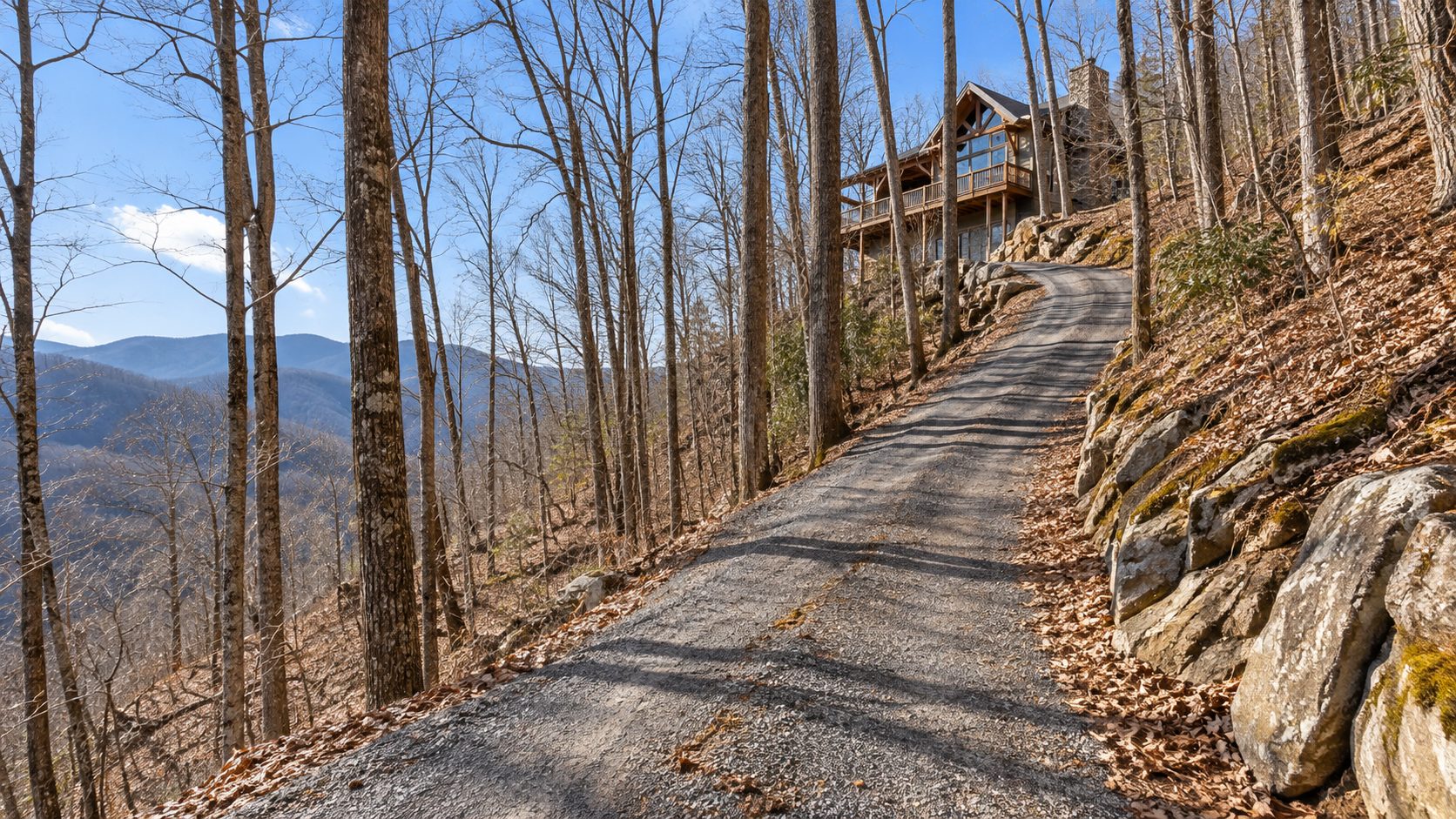
5. Driveway Grade Becomes Harder to Ignore
A beautiful mountain home can distract you from something you’ll experience every single day:
the driveway.
Fall is a great time to pay attention to driveway access because falling leaves can make slopes, curves, and surfaces more obvious.
Consider:
- How steep is the driveway?
- Is it paved, gravel, or another surface?
- Is there room to turn around at the top?
- Could two vehicles pass?
- Is there sufficient parking?
- Would delivery vehicles comfortably access the property?
- How would you feel driving it in rain or winter weather?
Drive it yourself whenever possible rather than evaluating it only from listing photographs.
6. The Road to the House Matters Too
Don’t evaluate only the last 100 feet.
Think about your entire route from the main road to the property.
Some homes in Western North Carolina are reached by state-maintained roads. Others may involve municipal roads, private roads, shared roads, or road-maintenance agreements.
NCDOT maintains an online Public Street Information Database that can help identify the ownership or maintenance status of roads in North Carolina. NCDOT also cautions that its map is a reference tool and that source documents should be consulted when verification is necessary.
For a private or shared road, buyers may want to investigate questions such as:
- Who maintains the road?
- Is there a written road-maintenance agreement?
- Who pays for repairs?
- Are there recorded easements?
- Who handles snow, gravel, grading, or fallen trees?
Those details can be every bit as important as what’s inside the home.
7. Moisture Can Be Easier to Spot
Cooler weather and seasonal rainfall can make moisture-related clues easier to notice.
When you’re walking through the home, pay particular attention to basements and crawl spaces.
The North Carolina Real Estate Commission specifically advises buyers to further investigate evidence of moisture because moisture can contribute to wood decay, mold, and wood-destroying insects.
Watch for things such as musty odors, staining, visible water intrusion, or persistent dampness.
Your home inspector is the professional who should evaluate these conditions, but seeing something during a showing gives you an opportunity to ask questions.
8. Wells and Septic Systems Deserve Attention
Many buyers relocating from more suburban or urban areas haven’t previously owned a property with a private well or septic system.
They’re common considerations when shopping for homes in Western North Carolina.
The NC Real Estate Commission recommends checking septic permit information, including the number of bedrooms the system was designed to serve, and locating the septic system on the property. It also advises testing private well water for potential contaminants.
When you’re walking the property in fall, ask where the septic tank and drain field are located.
That matters not only for the existing home but also for how you may want to use the property later.
9. Falling Leaves Reveal the Home’s Surroundings
Once the trees begin thinning out, take another look around.
You may suddenly notice:
- Neighboring houses
- Roads below or above the property
- Utility lines
- Other structures
- Creeks
- Retaining walls
- Rock formations
- Steep slopes
- Additional views
This is one reason I encourage buyers to spend time outside the house, not just inside it.
Walk the driveway.
Stand on the deck.
Look uphill and downhill.
Listen.
Turn around and look back toward the road.
A mountain home’s surroundings are part of the property experience.
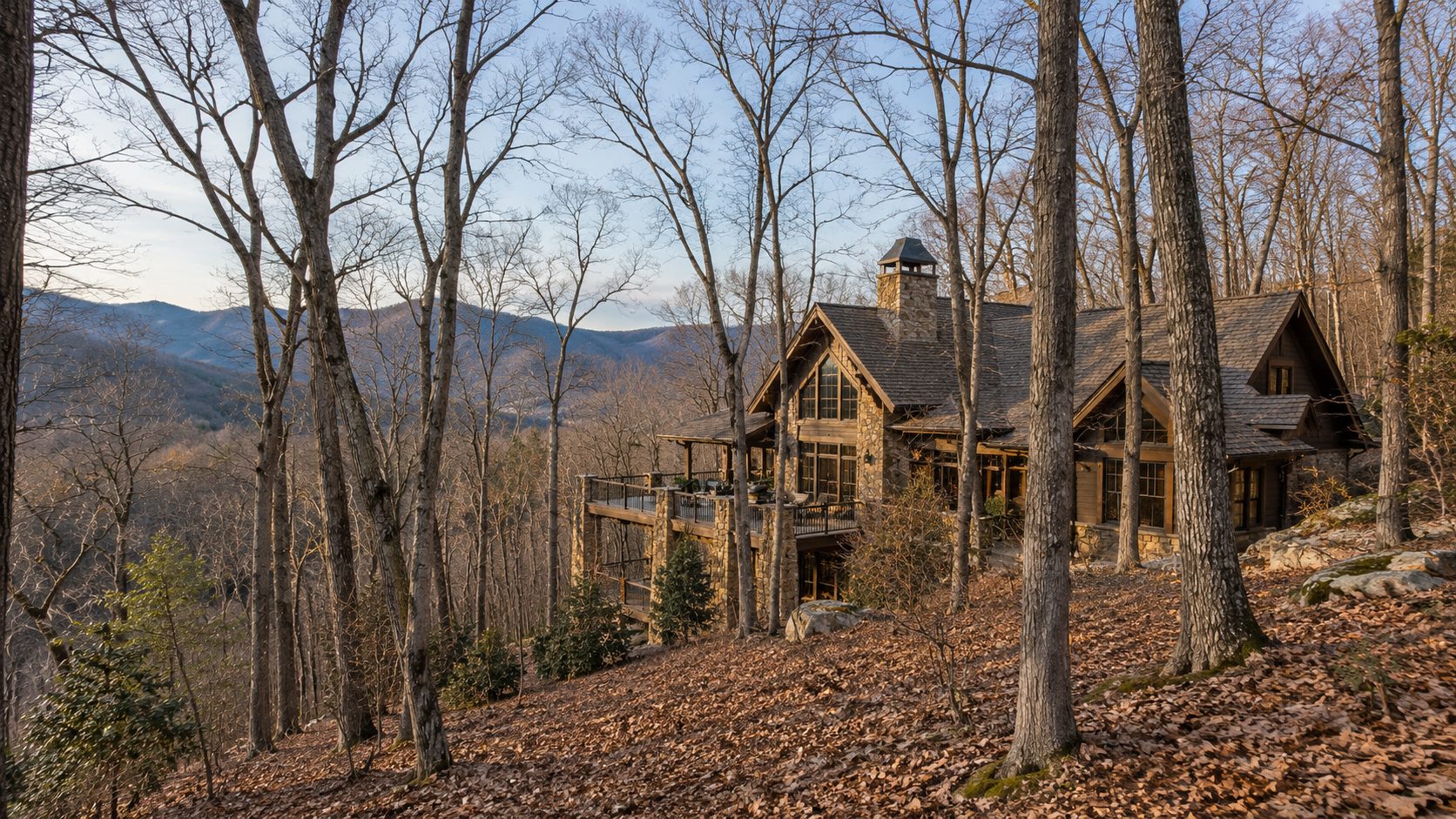
10. Fall Helps You Picture Everyday Mountain Living
Perhaps the most valuable thing fall provides isn’t something you’ll find on an inspection report.
It gives you a chance to ask:
Would I enjoy living here every day?
Imagine coming home after dark.
Think about carrying groceries up the driveway.
Consider where guests would park.
Look at the distance to town.
Think about how much land you actually want to maintain.
Picture the property in January—not just October.
Mountain views and beautiful autumn colors can make it easy to fall in love with a house. But the right Western North Carolina home should work for your everyday lifestyle too.
Fall Is a Great Time to Look—But Due Diligence Still Matters
Fall can reveal clues about a mountain property, but it shouldn’t replace professional evaluation.
In North Carolina, the due-diligence period gives buyers an opportunity to further investigate a property and transaction. Depending on the home, that may include a home inspection, septic inspection, survey, appraisal, title search, pest inspection, well testing, financing review, and other appropriate investigations.
The goal isn’t to find a completely flawless mountain home.
It’s to understand what you’re buying.
And when you’re purchasing in the mountains, sometimes the property around the home deserves just as much attention as the home itself.
Making the Mountains Home
Buying a home in Waynesville, Maggie Valley, Haywood County, or the surrounding Western North Carolina mountains can be an entirely different experience from buying in a flatter or more urban market.
Elevation, terrain, roads, wells, septic systems, views, sunlight, drainage, and access can all become part of your home search.
Fall just happens to be one of the most beautiful—and informative—times to start looking.
FAQ’s
What should I look for when buying a mountain home in Western North Carolina?
Look beyond the house itself. Consider the property’s road access, driveway grade, terrain, drainage, views, sun exposure, well and septic systems, easements, road maintenance, and surrounding land in addition to the home’s physical condition.
Are private roads common when buying mountain property in WNC?
Buyers may encounter private and shared roads when looking at mountain property. Don’t assume a road is state-maintained. Verify its status and investigate recorded easements and any road-maintenance agreements that apply to the property. NCDOT provides a road-maintenance database that can assist with initial research.
Should I get the septic system inspected before buying a home in North Carolina?
A septic evaluation may be an important part of due diligence for a property served by a septic system. The NC Real Estate Commission specifically recommends checking septic permit information and locating the system on the property.
Should well water be tested when buying a house?
Buyers purchasing a property with a private well should consider appropriate water testing. The NC Real Estate Commission advises testing well water for potential contamination.
Is fall a good time to buy a mountain home in Waynesville or Maggie Valley?
Fall can be especially helpful for evaluating mountain property because changing vegetation may make terrain, views, nearby properties, drainage areas, driveways, and other land features easier to observe. It is still important to conduct proper professional inspections and due diligence.
Does a mountain view stay the same all year?
Not necessarily. Deciduous trees can create substantial seasonal differences. A home may have more privacy during summer but a better view during winter—or neighboring properties may become more visible after the leaves fall.
Considering a home in Waynesville, Maggie Valley, or elsewhere in Haywood County?
Mountain properties come with questions that aren’t always obvious from an online listing. If you’re exploring Western North Carolina and want help understanding homes, communities, access, terrain, or the questions worth asking during your search, I’m happy to be a local real estate resource.
Discover WNC with Dana
From Visitor to Local — Helping You Make the Mountains Home


